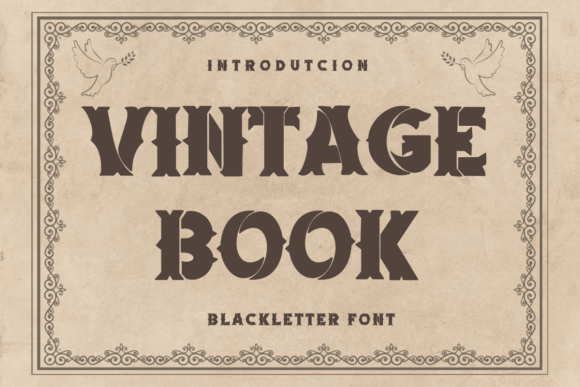
Vintage Book: A Blackletter Font for Modern Projects
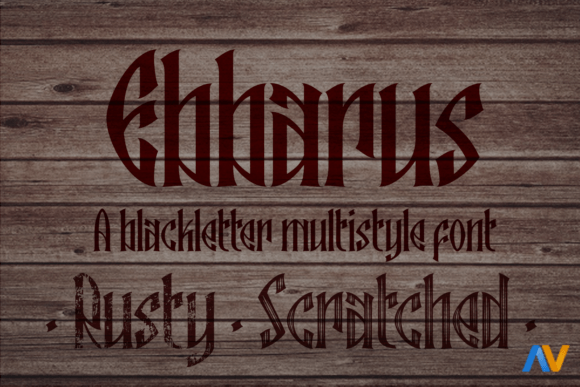
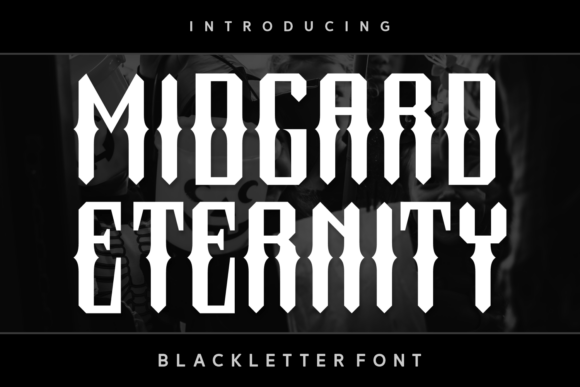
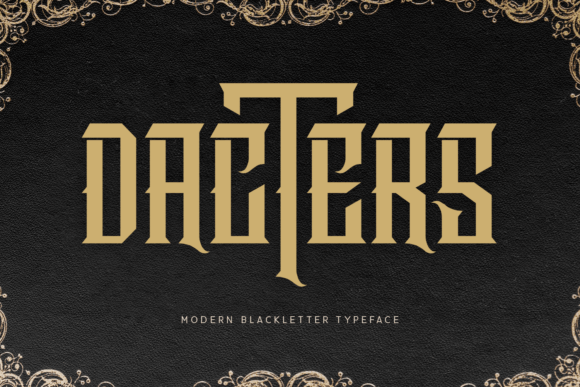
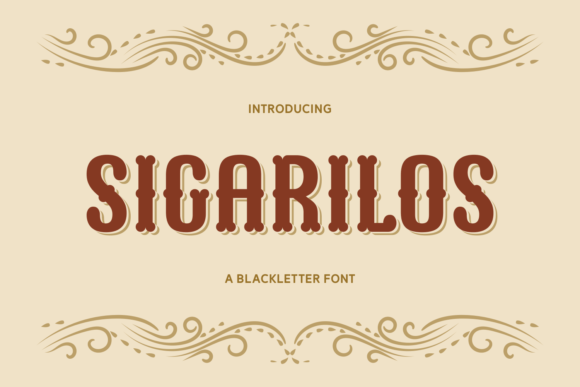
There’s a certain weight to blackletter. It carries the gravity of history, the texture of ink on vellum, the memory of illuminated manuscripts. But in the right hands, it’s not a relic—it’s a powerful tool. Vintage Book is a blackletter font that bridges that gap. It offers the intricate, angular beauty of traditional Gothic script with a clarity and digital precision that makes it surprisingly versatile for today’s designers, entrepreneurs, and makers.
Think of it as a typeface with personality. Its sharp, condensed forms and high-contrast strokes create a strong visual statement. It’s not a font for body text, but as a display font, it excels at capturing attention. The appeal lies in its duality: it feels both timeless and deliberately stylistic, making it a fantastic choice for projects that need to evoke tradition, craftsmanship, or a touch of medieval-inspired drama without sacrificing modern usability.
Where This Creative Font Truly Shines
The strength of a premium font like Vintage Book is its ability to adapt. Its blackletter roots make it a natural for certain contexts, but its clean execution opens doors to applications you might not initially consider.
For brand identity and logo design, it’s a bold choice for niche businesses. Imagine it for a craft brewery, a leather goods workshop, a boutique record label, or a specialty coffee roaster. It instantly communicates heritage, authenticity, and a hands-on ethos. In editorial design, it works beautifully for chapter headings in fantasy novels, mastheads for vintage-inspired magazines, or pull quotes that demand to be read. For packaging design, it can elevate artisanal products, from gourmet sauces to hand-poured candles, adding a layer of perceived value and story.
Beyond commercial use, its personal applications are rich. It transforms a simple notebook into a vintage diary. It makes greeting cards feel personal and crafted with care. For social media graphics, it can cut through the noise—a single, powerful word in Vintage Book can anchor an Instagram post or a Pinterest pin, especially for quotes, event announcements, or product launches. It’s also a standout for stationery, wedding invitations, and even apparel like t-shirts or hats where a single impactful word is needed.
Practical Guidance for Using a Blackletter Typeface
Adopting a creative font with this much character requires thoughtful execution. Here’s how to integrate Vintage Book effectively into your work.
First, evaluate the project fit. Ask yourself: does the mood align? Vintage Book suits themes of tradition, craftsmanship, fantasy, history, or niche luxury. It’s less suited for corporate reports, medical websites, or any context requiring a neutral, ultra-clean aesthetic. Always consider your audience’s expectations.
Master the font pairing. This is critical. Blackletter fonts are visually dense. They need space to breathe and contrast to be legible. Pair Vintage Book with a clean, simple sans serif font for body text or supporting information. A modern sans serif like Montserrat or Lato provides a perfect counterbalance. You could also pair it with a elegant, readable serif font for a more classic, layered feel. Avoid pairing it with other decorative fonts like script fonts or handwritten fonts, which will create visual chaos.
Consider readability and hierarchy. Use Vintage Book sparingly—typically for headlines, logos, or single words. Its intricate details can become muddy at very small sizes or in long sentences. Test it at the intended size and on the intended medium (screen vs. print). Establish a clear visual hierarchy where it is the dominant, attention-grabbing element, supported by simpler typefaces for clarity.
Review the full package. A good commercial font like Vintage Book should include more than just uppercase letters. Check for alternates, ligatures, and punctuation. These stylistic sets allow you to customize the look, soften some of the sharpness, or create more authentic typographic compositions. Ensure the licensing covers your intended use, whether for a personal blog, client work, or merchandise you plan to sell.
Making It Work for Your Brand
For small business owners and content creators, consistency is key. If you choose Vintage Book as part of your brand identity, use it consistently across all touchpoints where its style is appropriate—your logo, website headers, social media profile graphics, and packaging. This builds recognition. However, use it judiciously. Its power is in its impact; overuse can dilute its effect and make your communications feel heavy or difficult to read.
Think of it as a signature spice. A little adds immense flavor and distinction to your design assets. Used thoughtfully, Vintage Book can help you craft a unique and memorable presence, whether you’re designing a web design hero section, a limited-edition product label, or a set of inspirational quote cards. It’s a tool that, when matched to the right project, adds depth, story, and undeniable character.