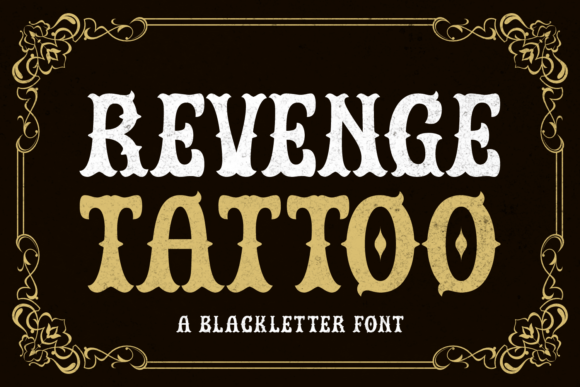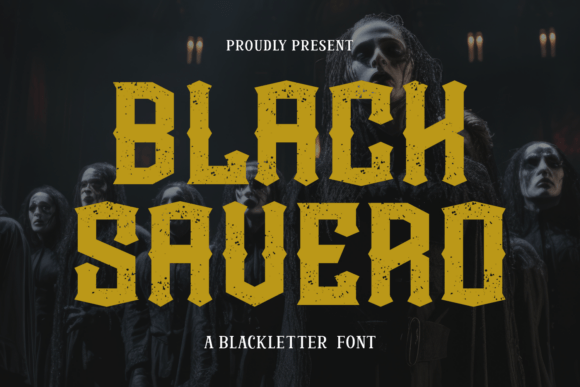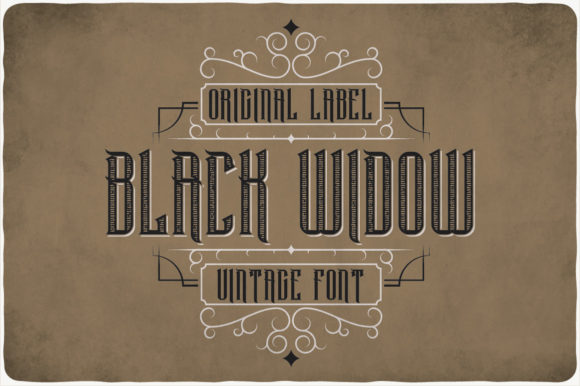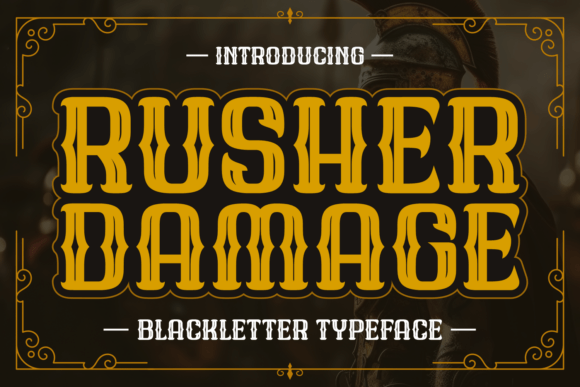
Hoffman Tattoo: A Blackletter Typeface for Bold Statements
In the world of tattoo art and bold graphic design, the right typeface does more than spell out words; it carries weight, history, and attitude. Hoffman Tattoo is a strong blackletter typeface designed specifically for projects that demand visual impact and a touch of tradition. This font isn't for body text or delicate instructions. It’s a display font built for headlines, logos, and moments where you need a single word or short phrase to command attention. Its roots in the blackletter tradition give it an inherent sense of formality and timelessness, making it a powerful tool in a designer's kit for the right kind of project.
Anatomy of a Powerful Font
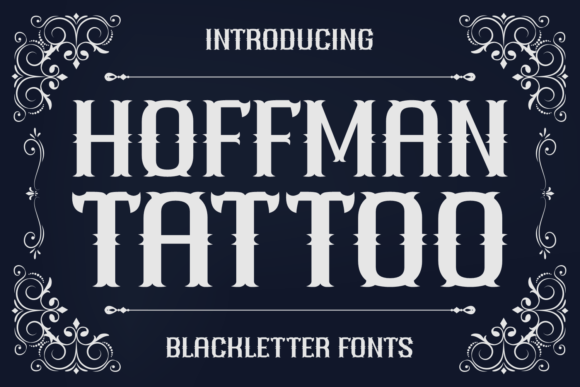
Understanding Hoffman Tattoo means looking at its visual DNA. The letterforms are characteristic of blackletter, featuring sharp, angular strokes, high contrast between thick and thin lines, and a condensed vertical emphasis. This creates a texture that feels dense and intricate, almost like woven metalwork or carved stone. The personality of Hoffman Tattoo is one of strength, heritage, and a certain gravitas. It doesn't whisper; it declares. This makes it exceptionally suited for conveying messages of permanence, spirituality, or edgy elegance. Compared to a fluid script font or a clean sans serif font, Hoffman Tattoo offers a completely different energy—one rooted in history and craftsmanship.
Its visual appeal is undeniable when used correctly. The detailed strokes create a rich visual texture that can make a design feel more premium and considered. For anyone working in creative fields, from logo design to editorial design, this typeface offers a way to inject a strong stylistic point of view. It’s a creative font that serves a very specific purpose, and knowing when to deploy it is key to its effectiveness.
Where Hoffman Tattoo Makes Its Mark
The applications for a font like Hoffman Tattoo are both specialized and surprisingly broad. Its primary strength lies in projects where the text is a central visual element, not just information.
Tattoo Art and Body-Inspired Design
As its name suggests, this font is perfect for tattoo designs. It excels at rendering names, meaningful phrases, quotes, or single words in a style that mirrors traditional blackletter tattooing. The strong lines and clear structure ensure the design remains legible and impactful even when scaled down for skin. For tattoo artists creating flash sheets or digital mockups for clients, Hoffman Tattoo is an invaluable design asset that provides authenticity and style.
Branding and Logo Design
For brands looking to project an image of heritage, rebellion, or artisanal quality, Hoffman Tattoo can be a cornerstone of a brand identity. Think craft breweries, barbershops, motorcycle gear, independent record labels, or high-end streetwear. Used as a logotype, it instantly communicates a specific aesthetic. However, pairing is critical. It often works best when balanced with a simple, clean sans serif font for secondary text to ensure overall readability and modern typography balance.
Editorial and Packaging Design
In publishing, Hoffman Tattoo can create striking chapter titles, drop caps, or cover typography for genres like fantasy, historical fiction, or gritty urban stories. In packaging design, it can make a product stand out on a shelf, especially for goods with a "craft" or "limited edition" feel. Imagine a bottle label for a small-batch spirit or the header on artisan chocolate packaging—the font adds a layer of perceived value and story.
Digital and Social Media Presence
Online, where attention spans are short, a bold display font can stop a scroll. Hoffman Tattoo can be used for impactful social media graphics, YouTube channel logos, podcast artwork, or website hero sections. It’s particularly effective for quotes, announcements, or branding elements within a digital space. When used in web design, it’s typically reserved for large headlines or decorative elements, always paired with a highly legible body font for paragraphs.
Practical Guidance for Designers and Creators
Choosing to use Hoffman Tattoo is a decision that should be guided by project goals and audience. Here’s how to approach it thoughtfully.
Evaluating Project Fit
Ask yourself: does the project's personality align with the font's? Is the goal to convey tradition, strength, or an alternative edge? If you're designing for a yoga studio seeking calm and openness, this might not be the right fit. If you're creating a poster for a metal concert or branding a vintage motorcycle shop, it could be perfect. Always consider your target audience's expectations and associations.
Testing Font Pairings and Readability
Never use Hoffman Tattoo in isolation for all text. Its complexity demands a complementary partner. Pair it with a neutral, open sans serif font like Helvetica, Futura, or a simple serif font for body copy. This contrast creates visual hierarchy and ensures the overall design remains readable. Test your pairings at the actual size they will be used. What looks balanced on a large screen might become muddy when printed small or viewed on a mobile device.
Understanding Your License
If you plan to use Hoffman Tattoo for commercial work—for a client's logo, product packaging, or a monetized website—you must ensure you have the proper commercial license. Most premium fonts, including quality blackletter typefaces, require a license for commercial use. This is a standard part of using professional design assets and protects both the creator and your project's legal standing. Always review the license agreement provided with the font file.
Hoffman Tattoo is more than just a set of letters; it's a stylistic statement. By understanding its visual weight, historical connotations, and practical applications, you can wield it effectively to create designs that are not only beautiful but also meaningful and resonant with your intended audience. It’s a tool for making a bold declaration, one carefully chosen word at a time.